
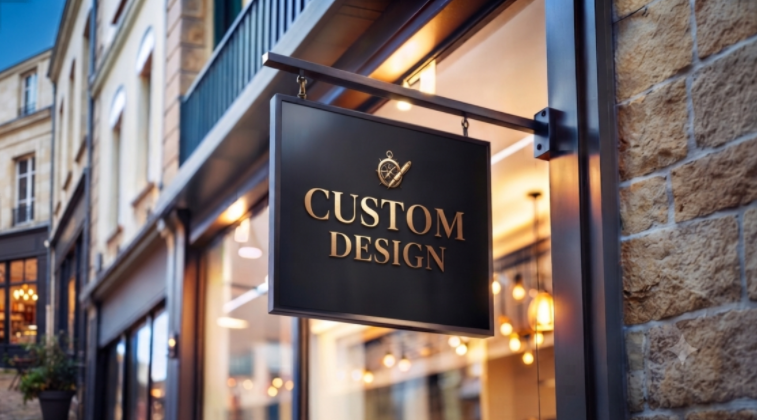
Choosing the right storefront sign is not just about design — it is also about durability
The weather systems in Missouri are varied and diverse throughout the year from hot and bright in the summer, heavy rain, strong winds, cold temperatures, to snowfall. The ever-changing conditions to which outdoor signage is exposed make it imperative that the right material is used in order to preserve the sign’s longevity as well as its appearance.
Keeping a storefront sign in good condition is very important because, in some cases, the sign is the first impression that a customer may have of a business. In Bad Weather, colors can fade, surfaces can crack, materials can bend, and metal can rust and diminish visibility, all of which have a negative impact on curb appeal. Choosing materials that are designed for outdoor use and durable can help businesses save money on maintenance and repair costs, while also looking professional.
This guide focuses on the solutions most appropriate for outdoor use throughout the year, explores the impact of Missouri’s environment on a range of storefront sign materials, and provides maintenance tips to ensure companies can continue to enjoy a signage investment for years.
Can Your Storefront Sign Handle Missouri’s Weather Conditions
Missouri’s four seasons have four sets of requirements for outdoor signage.
Summer
High temperatures and prolonged UV exposure
Winter
Freezing temperatures, snow, and ice
Spring
Heavy rain and occasional storms
Year-round
Wind, humidity, and sudden temperature swings
Because storefront signs are always outside, they are expected to withstand such changes every day. It may be discovered that the wrong type of material is used and it can break down faster than expected, resulting in a need for repairs or early replacement.
The effect of UV and heat exposure
Missouri summers can get very hot with lots of sunshine. One of the main factors causing signs to deteriorate is UV radiation.Common problems associated with sunlight.
- Color fading on vinyl and printed graphics
- Plastics that are stiff and will eventually split.
- Imperfections or defects in materials caused by warping.
- The loss of contrast between colours which makes them less visible.
When it comes to storefronts that are south or west-facing, selecting coatings with UV resistance and graphics that resist fading can make a significant difference in the longevity of the building’s exterior.
How Rain and Humidity Affect Storefront Sign Materials
Moisture resistance is essential when selecting outdoor signage, and in Missouri, rain, humidity and changing weather conditions happen all too often every year. Some materials such as exposed edges or low quality metal parts can wear when exposed to frequent dampness. The appearance, reliability and condition of a sign can be maintained through the use of weather-resistant materials and protective treatments, providing that the sign remains useful and attractive for many years to come.
The following are common problems associated with moisture:
Excess moisture and prolonged exposure to wet conditions can gradually affect the performance and appearance of outdoor signage.Some of the most common problems include:
- corrosion and rust on metal fasteners, brackets and other hardware
- Untreated wooden signs that are swollen, warping or rotten.
- Adhesive failure of vinyl graphics that are peeling/loosening.
- Water intrusion that may impair lighted signs’ functionality
Weather-Resistant Materials for Wet Environments
Employing moisture resistant material can help to reduce maintenance costs over time and help protect the investment.Some of the most reliable options:
- Aluminum panels are perfect for use over extended periods of time in outdoor environments because they are naturally resistant to rust.
- Aluminum Composite Material (ACM) is a strong, lightweight and waterproof material.
- Sealed acrylic sign faces are commonly used in illuminated signs because they are waterproof and still look nice and shiny.
- Metal parts that have been powder- coated offer an extra degree of corrosion resistance, extending the lifespan of outdoor signage.
Choosing quality materials is important, but so is having them installed by professionals. Properly sealed joints, tight mounting and weather-resistant hardware are critical in ensuring that storefront signs remain reliable during Missouri’s rainy and humid conditions and remain waterproof.
Wind and Storm Resistance
Spring and summer are the most severe seasons for outdoor signs in Missouri, and are characterized by thunderstorms and strong wind gusts. Storefront signs, projecting signs and channel letters signs should be constructed and installed to meet these challenges and retain their stability, safety and appearance in the long haul.
Typical Wind-Related Damage
Signage may be impacted by strong winds in a number of ways, including:
- Loosen sign panels or mounting hardware
- Use support brackets that are bent or broken
- Acrylic sign faces which crack when placed under pressure or impact.
- Tearing away dimensional lettering or graphics
Sturdy Materials for Areas Affected by Wind
By choosing sturdy materials and a carefully designed support structure, you can make your sign more resistant to the force of the wind.Several factors can increase a sign’s resistance to strong winds, such as its material and support structure. Reliable choices consist of:
- Aluminum channel letters – made to withstand outside environments, are lightweight, and are resistant to corrosion.
- Aluminum Composite Material (ACM) panels – durable, sturdy, and flexible to meet the changing weather.
- Steel support frames- provide extra structural support for larger storefront signs and monument style applications.
The quality of installation is as important as the materials used. Solid structural supports, reinforced mounting systems and properly rated anchors are the ways to stabilize outdoor signs in Missouri’s strong winds and seasonal storms. This lowers the danger of damage and prolongs the signs’ useful life.
How Winter Freeze-Thaw Cycles Affect Storefront Signs
Winter temperatures in Missouri may vary within the same season, from being below the freezing point to above the freezing point within a short time frame. As a result of these temperature fluctuations, expansion and compression of materials occur, thus placing additional stress on the outdoor signage and sign structures.
Common Problems With Signs During the Winter Season
Some of the problems include:
- Appearance of cracks in fragile or inferior quality plastic materials
- Loosening of mounting hardware due to repetitive expansion and contraction.
- Degradation of the seals around illuminated signs allowing for water infiltration
- ice build-up and snow accumulation increasing stress on the sign structure.
Comparing Popular Storefront Sign Materials
Aluminum
Best overall outdoor durability
- Resists rust and corrosion
- Handles heat and cold well
- Lightweight and strong
- Long lifespan
Ideal for: Panel signs, dimensional letters, and storefront branding.
Acrylic
Great for illuminated signs
- Excellent appearance
- Good weather resistance
- Available in many colors and finishes
- Can become brittle with age if low quality
Ideal for: Channel letters and backlit storefront signs.
ACM Panels
Strong and lightweight
- Excellent outdoor performance
- Resists moisture
- Maintains a clean appearance
- Common in commercial applications
Ideal for: Retail centers, office buildings, and directional signage.
Wood
Attractive but higher maintenance
- Natural appearance
- Requires sealing and maintenance
- Can absorb moisture
- Shorter lifespan outdoors if untreated
Ideal for: Rustic or specialty businesses willing to maintain the sign regularly.
Choosing the Right Sign Materials for Missouri’s Climate
The location of the sign being installed is responsible for determining the optimal material. It is important for businesses to consider local conditions before making such an assessment, due to the changeable nature of the weather in Missouri. Using materials suited for local weather conditions may extend the lifespan of the sign and reduce maintenance expenses.
If Your Storefront Is Receiving Direct Sunlight
Direct sunlight may hasten the wear and tear of some materials, causing the fading of colors. The use of signs made of aluminum, UV resistant acrylic, and high-quality vinyl graphics can withstand such conditions without any loss of visual appeal.
If Your Area Receives Frequent Rain
Signage that has not been designed for moisture will start being affected by the moisture. Sealed aluminum, Aluminum Composite Material (ACM), and anti-corrosion hardware provide extra protection against rust, water infiltration, and wear.
Areas Prone to Strong Winds
Signs that have sturdy panels, reinforced support system, and proper installation methods are advantageous where strong winds prevail. In case of heavy weather conditions, the professionally installed sign is unlikely to move from its place.
When You Need Signs for Winter Weather Conditions
Outdoor signs can be subjected to freezing conditions and repeated freezing and thawing. Using weather-resistant and durable outdoor signs materials instead of inexpensive plastics improves their performance and reduces the risk of structural failures and cracks.
A simple way to extend the life span of your signs, save on repairs, and ensure that you have an attractive storefront at all times is to take the local weather into account when selecting materials.
How Weather Can Affect the Appearance of Storefront Signs
As important as longevity is the maintenance of its appearance. Though any sort of wear and tear could potentially influence the perception of the business, keeping the storefront sign clean will ensure the creation of a favorable impression. Signs placed outside may change their appearance gradually because of being constantly subjected to the effects of sunlight, rain, wind, and weather fluctuations.
Common Signs of Weathering Damage
The conditions outdoors can create aesthetic concerns such as:
- Color fading caused by prolonged exposure to sunlight and UV rays.
- Lifting or peeling off of graphics due to adhesive deterioration
- Corrosion or rust of exposed metal parts
- Hazing or dulled acrylic surfaces reducing visibility
- Inconsistent lighting of illuminated signs due to moisture or malfunctioning of electrical parts
Problems such as these could diminish the visual appeal of the sign and cause the store to be perceived as uninviting, although they may not necessarily interfere with the functioning of the sign. The appearance of the sign is maintained by means of proper cleaning, seasonal checks, and timely repairs.
Maintenance Tips for Storefront Signs
Even weather-proof, long-lasting signs require regular maintenance. Easy maintenance procedures and inspections could help in ensuring that small problems do not turn into costly repairs.
Easy Maintenance Procedure List
- Clean the sign regularly to remove any dirt, dust and debris that might be accumulated due to traffic pollution.
- Inspect any damaged or loose components in the sign mounting hardware.
- Inspect any cracks in the sealant material around the lit up sign.
- Repair or replace any faded vinyl graphics before further deterioration occurs.
- Trim down any trees or tree branches nearby which might damage the sign.
An effective way to detect any weather related signs of wear and tear in your storefront sign and maintain the professional look all through the year is to conduct a maintenance inspection during spring and fall.
The Long-Term Value of Weather-Resistant Signage
Even though the initial investment could be higher, opting to use lasting signage material could result in long term savings by reducing maintenance needs and extending the life span of the signs. Companies will always appear professional through the entire year with materials suitable for outdoor conditions.
Long Term Benefits:
- reduces the need for maintenance
- extends the life of the outdoor signage
- keeps a reliable and professional image
- increases visibility in different weather conditions
- creates a positive first impression for customers and visitors
Material options such as aluminum, ACM and high-quality acrylic give an excellent combination of reliability, weather-resistance and longevity making them an appropriate choice for the outdoor signage of Missouri firms.
Final Thoughts
In Missouri, the weather can become a serious hindrance to signage. Storefront signs get affected by the weather over the course of time due to heat, UV radiation, wind, moisture, and freezing. Businesses that choose sign materials only based on aesthetics may face the problems of corrosion, fading, cracking, and premature need for replacements.
Businesses can ensure durability and maintain the professionalism of their storefront year-round through the use of weather-resistant materials such as aluminum, ACM, and quality acrylic. This way, the business would be protected from losses and the sign would remain beautiful for many years to come if chosen properly along with proper installation and maintenance.
Custom storefront signs in Missouri are a long-term branding tool and not just decoration. One of the best decisions the local businesses could make is choosing weather-resistant materials in Missouri.
Need a storefront sign that can handle Missouri weather?
Choose materials designed for sun, rain, wind, and seasonal temperature changes so your business stays visible year-round. A professionally designed sign can improve durability, reduce maintenance, and keep your branding looking sharp in every season.
Get a Storefront Sign Consultation
Frequently Asked Questions
Aluminum has an excellent lifespan outdoors, will not rust, and is resistant to temperature variations, thus, aluminum is considered one of the best materials available.
Yes, high-grade acrylic is suitable outdoors and can be used in the form of signs themselves or in channel letters. Low-quality acrylic becomes brittle over time.
Absolutely. The plastics, sealant, and mounts may get damaged due to freeze and thaw cycles. Damage from winter weather conditions can be prevented by using proper materials.
A good start point would be a visual check-up twice a year. Signs need to be checked after severe weather conditions and storm events.
GET IN TOUCH
Have you any questions, please contact us